
Centre for Memory, Interaction, Neuropsychology, Dementia: MIND
Your science-backed dementia learning center

With free downloadable resources, family caregiver support, expert training course and study material for professionals.

FOR HEALTHCARE PROVIDERS
Support that matches your clinical curiosity

If you’re a neurologist, psychologist, psychiatrist, general physician, or social worker working with older adults, MIND offers training, tools, and peer resources to help you bring more clarity and confidence to your practice.
We are building a national ecosystem of dementia-aware professionals—equipped not just with textbook knowledge, but with the nuance of Indian cultural context, family dynamics, and local systems of care.

Your path to becoming a certified MIND practitioner

Comprehensive Online Certification Course
‘Dementia & Geropsychology: From Theory to Clinical Application’

Designed for psychologists and therapists seeking an introduction to geropsychology and a deeper understanding into the neuropsychology of dementia care.

  • 100% self-paced and online
  • 10+ hours of video lectures and textbook readings
  • Downloadable resources and tools
  • Real world case studies
  • Quizzes
  • Certification on completion

“One of India’s leading neuropsychologists in ageing and dementia care”


Dr. Shraddha Shah is a Clinical Neuropsychologist and Certified Dementia Practitioner with over 14 years of experience, specializing in geropsychology, dementia assessments, cognitive rehabilitation, sleep neuropsychology and geriatric brain health.
With formal training in Neuroscience (New York), Clinical Psychology (Mumbai) and Neuropsychology (KEM Hospital, Mumbai), She has led neuropsychological services at Jaslok and Sir HN Reliance Hospitals and now heads Synapsium Brain Health Care, a center dedicated to evidence-based, person-centered dementia care. Known for her keen clinical insight and diagnostic precision, Dr. Shah is also a thought leader in preventive brain health, regularly conducting workshops for medical professionals, caregiving teams, and community organizations. She brings together neuroscience, empathy, and systems thinking to advance cognitive care in India. With deep roots in clinical work and public advocacy, Dr. Shah is committed to transforming dementia care through rigorous evaluation, scalable models, and interprofessional collaboration.

Recommended Readings

“Dr. Shraddha Shah along with her team has served my requirements for neuropsychological assessments and cognitive rehabilitation for patients with dementia since the past 10 years. They also provide supportive therapy to the families. I find all these services and their execution commendable.”

Dr. Joy Desai
(Director & Head, Department of Neurology, Jaslok Hospital)

“Dr.Shah is an experienced Neuropsychologist and I rely very heavily on her in-depth and comprehensive assessment. I value her expert insights into my clinical practice.”

Dr. Santosh Bangar
(Senior Consultant Geriatric Neuropsychiatrist, Gleneagles Hospitals, Mumbai)

“Synapsium led by Dr. Shraddha Shah has been a huge revelation in assessment in Dementia. In my patients, their assessment has been focused on maximising quality of life and tackling care giver stress. Dr. Shraddha’s dedication to dementia care is unparalleled and is a great asset to the dementia care paradigm.”

Dr. Prem Narsimhan
(Geriatrician)

FOR INDIVIDUALS AND FAMILIES
A bridge between science, support, and daily care in the dementia journey

From early signs to daily care, we guide you with practical tools, expert-backed advice, and emotional support every step of the way.
Every year, millions of families in India navigate the challenges of ageing without access to the tools, knowledge, or support they need. Dementia is still misunderstood, underdiagnosed, and too often met with silence.
MIND provides care that remembers the person, not just the diagnosis. Our dementia care programs are designed to delay decline, foster dignity, and enhance life quality through personalized, continuous, and integrative care.


DOWNLOADABLE RESOURCES

Symptom Diary

A printable 7-day tracker to help you notice, record, and reflect on memory and behaviour changes over time. Designed for clarity—whether you’re observing a parent or yourself.

Questions for your doctor

A smart checklist to help you prep for neurologist appointments—what symptoms to highlight, what questions to ask, and what to expect next.

Early Warning Signs

A guide to recognizing the first subtle symptoms that may signal the onset of neurological conditions—understanding what changes to notice, when to seek help for Early detection of Cognitive Decline.

Caregiver Checklist

A private questionnaire to help you assess emotional, mental, and logistical stress levels. Based on clinical caregiver burden scales, but written in everyday language.
Unlock our signature resource toolkit

Get the tools we use: free for early users.
Our team has developed clear, science-backed tools to help families and professionals navigate memory concerns with more confidence and less guesswork. These resources are normally shared during 1-on-1 consultations. For a limited time, you can access them by joining our early access list.
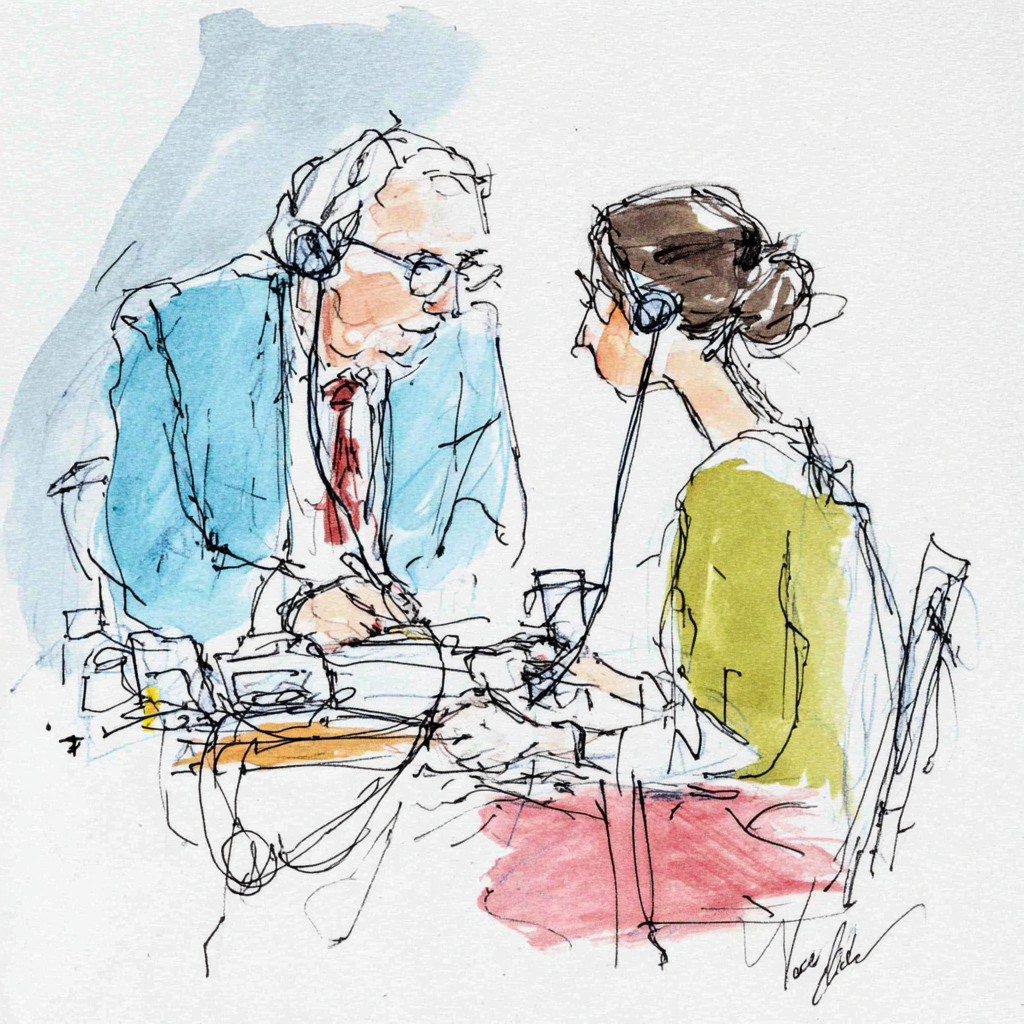
Meet the MIND program
Center for Memory, Interaction, Neuropsychology, Dementia: MIND.
Mind is where neuroscience meets nature. MIND is an integrated care center for dementia support and aging. Built on the foundations of person-centered geropsychology, MIND offers research-based and emotionally attuned model of care to seniors living with dementia and their families —blending clinical neuropsychology, expressive therapies, and family systems thinking.
Neuropsychological Assessments & Diagnosis
Cognitive Retraining Programs
Therapeutic Day Program
Family Counseling & Support Groups
Cognitive Wellness and Assistive Products
Multidisciplinary Geriatric OPD
Neuropsychological Assessments & Diagnosis
Cognitive Retraining Programs
Therapeutic Day Program
Family Counseling & Support Groups
Cognitive Wellness and Assistive Products
Multidisciplinary Geriatric OPD

“One of India’s leading neuropsychologists in ageing and dementia care”

Dr. Shraddha Shah is a Clinical Neuropsychologist and Certified Dementia Practitioner with over 14 years of experience, specializing in geropsychology, dementia assessments, cognitive rehabilitation, sleep neuropsychology and geriatric brain health.
With formal training in Neuroscience (New York), Clinical Psychology (Mumbai) and Neuropsychology (KEM Hospital, Mumbai), She has led neuropsychological services at Jaslok and Sir HN Reliance Hospitals and now heads Synapsium Brain Health Care, a center dedicated to evidence-based, person-centered dementia care. Known for her keen clinical insight and diagnostic precision, Dr. Shah is also a thought leader in preventive brain health, regularly conducting workshops for medical professionals, caregiving teams, and community organizations. She brings together neuroscience, empathy, and systems thinking to advance cognitive care in India. With deep roots in clinical work and public advocacy, Dr. Shah is committed to transforming dementia care through rigorous evaluation, scalable models, and interprofessional collaboration.

Synapsium – A safe and supportive environment!! My husband gathered the courage to open up and share his challenges. After 3-4 sessions,he knew he had done the right thing to help with the cognitive challenges! He started applying techniques into real life situations which has helped my husband to navigate challenges. Dr Shraddha Shah & team tailored therapies to the individual client’s needs. Do invest in your wellbeing at Synapsium!

Renu Javeri, Mumbai

We were introduced to Dr. Shraddha Shah by our geriatrician & neurologist when my Aunt was diagnosed with Alzheimer’s years back. We started the personalised cognitive support for my aunt on a regular basis. This has incrementally helped my aunt through this engagement for some of her skills which had not completely deteriorated as she progressed through Alzheimer’s. I am intensely thankful to Synapsium & Dr. Shraddha for her professional approach and warmth towards not only treating my aunt but also educating us on how to engage with her.

Pushkaraj Gumaste, Singapore

My father-in-law, Mr. Babulalji Pomani, has been under the care of Dr. Shraddha and her dedicated team at Synapsium Brain Health Care Centre for his Alzheimer’s condition, and the support and cognitive activities provided here have helped him tremendously in maintaining and stabilizing his condition. What stands out about Synapsium is the way their programs are thoughtfully planned and customized for each patient.

Kavita Gautam Pomani, Mumbai

LEARN ABOUT DEMENTIA
Dementia Basics
What is Dementia?
Dementia is not a disease itself, but a set of symptoms resulting from various brain diseases.
Dementia is a clinical syndrome marked by progressive decline in cognitive functions that interferes with daily life.

It is caused by damage to brain cells due to disease, not just aging.
It involves memory loss, language problems, executive dysfunction, disorientation, mood or behaviour changes, which leads to difficulty performing everyday tasks.

Why Dementia isn’t Synonymous with Alzheimer’s
Aspect
Dementia
Alzheimer's
Definition
Umbrella term for cognitive decline disorders
Most common type of dementia
Scope
Includes Alzheimer’s, vascular, FTD, LBD, etc.
Specific disease with hallmark pathology
Cause
Multiple potential causes
Beta-amyloid plaques & tau tangles
Onset
Varies by type
Gradual and progressive
Progression
Depends on underlying cause
Slow decline over years
Signs and Symptoms of Dementia
  • Memory loss (especially short-term)
  • Difficulty with language and communication
  • Disorientation to time/place
  • Poor judgment and decision-making
  • Personality or mood changes
  • Difficulty performing familiar tasks

Behavioral and Psychological Symptoms of Dementia (BPSD) May include:

  • Agitation and restlessness
  •  Delusions or hallucinations
  •  Depression or apathy
  •  Sleep disturbances
  •  Disinhibition or aggression

What is Mild Cognitive Impairment (MCI)?

MCI is a stage between normal aging and dementia. Individuals with MCI have measurable cognitive decline greater than expected for age and education level but can still perform most daily activities independently. MCI may progress to dementia, remain stable, or in some cases, improve. 

Key features of MCI:

  • Noticeable decline in one or more cognitive domains
  • Person retains ability to live independently
  • Higher risk of progressing to dementia


Why early detection of Dementia is Important 

Reason

Explanation

Access to treatment

Medications and therapies work best in early stages

Planning ahead

Allows legal, financial and care planning while the person can participate

Support for families

Gives caregivers time to understand and prepare

Lifestyle interventions

Exercise, diet and socialization may slow progression

Avoiding crises

Prevents unnecessary hospitalizations or safety incidents

Types of Dementia

Type

Key Features

Typical Onset

Distinctive Clues

Alzheimer’s Disease

Memory loss, language and orientation decline

>65 years

Short-term memory loss, apathy

Vascular Dementia

Step-wise decline post-strokes

Variable

Gait imbalance, focal neurological signs

Lewy Body Dementia

Fluctuating cognition, hallucinations, Parkinsonism

60–80 years

Visual hallucinations early

Frontotemporal Dementia

Behavioral or language changes

45–65 years

Disinhibition, personality changes

Parkinson’s Disease Dementia

Dementia develops after Parkinson’s

After motor symptoms

Tremor, hallucinations

Mixed Dementia

Features of more than one type

Common in elderly

Alzheimer’s + vascular features

Rare types

CJD, Huntington’s

Variable

Rapid decline or strong family history

Causes and Risk Factors of Dementia

Factor

How It Contributes

Prevention/Action

Hypertension

Damages blood vessels in brain

Control BP with medication, lifestyle

Diabetes

Increases vascular and metabolic damage

Monitor glucose, healthy diet

Obesity

Linked to inflammation and insulin resistance

Weight control

Smoking

Neurovascular toxicity

Cessation support

Alcohol abuse

Direct brain toxicity

Moderation or abstinence

Poor sleep

Disrupts amyloid clearance

Sleep hygiene, treat apnea

Hearing loss

Increased cognitive load, social isolation

Use hearing aids

Low education

Lower cognitive reserve

Lifelong learning, stimulation

Social isolation

Linked to depression and decline

Community and social engagement

The Brain and Dementia

Key brain changes in dementia include:

  •  Shrinkage of the hippocampus (memory loss)
  •  Frontal lobe damage (judgment, inhibition, planning)
  •  Tau tangles and amyloid plaques interfere with neuron communication
  •  Synaptic and neurotransmitter loss
  •  Reduced blood flow and metabolic activity
  •  Disruption of brain networks like the default mode network (DMN)

Forgetting name : Normal aging vs Dementia/Pathological aging

Normal Aging

Dementia / Pathological Aging

Occasional name forgetfulness

Frequent forgetting of familiar names

Recall comes back later

Name not recalled even after cues

No interference in daily life

Disrupts conversations, social settings

Independent function remains intact

Struggles with basic tasks, safety issues

Glossary of Dementia Words
What is this Glossary used for?

A glossary of dementia-related terms ensures that healthcare professionals, patients, caregivers, and families share a clear, consistent understanding of often confusing or technical language. It empowers informed decision-making, reduces miscommunication, and fosters a more compassionate, collaborative approach to care.

Curious about a word you’ve heard? Look it up in our Glossary to learn more.

Words starting with 'A'
Abulia
A neurological symptom rooted in frontal lobe dysfunction characterized by reduced motivation, initiation and emotionally flat affect.
Activities of Daily Living (ADLs)
Basic tasks like eating, bathing, and dressing.
Addenbrooke’s Cognitive Examination (ACE-R/ACE-III)
A detailed cognitive test covering attention, language, fluency, memory, and visuospatial skills.
Adult Daycare
Structured programs offering social and health support during the day.
Advance Directive
Legal document outlining a person’s medical care preferences.
Aggression
Hostile or violent behavior.
Agitation
Restlessness or irritability.
Agnosia
Inability to recognize objects, sounds, or smells.
Agrammatism
Impaired grammar and sentence construction.
Alzheimer's Disease
The most common form of dementia, marked by memory loss, language difficulty, and cognitive decline.
Amyloid Plaques
Clumps of protein fragments that accumulate between brain cells in Alzheimer’s.
Animal-Assisted Therapy
Therapeutic interaction with trained animals to reduce loneliness and improve engagement.
Anosognosia
Lack of awareness or denial of cognitive deficits, common in Alzheimer’s and FTD.
Anterograde Amnesia
Inability to form new memories.
Anxiety
Excessive worry or fear.
Apathy
Lack of motivation or interest.
Aphasia
Difficulty in speaking or understanding language.
Apolipoprotein E (APOE)
Gene variant linked to Alzheimer’s risk.
Apraxia
Difficulty performing purposeful movements.
Aromatherapy
Use of essential oils to manage anxiety, improve sleep, or reduce agitation.
Art Therapy
The use of art-making to promote emotional expression, self-esteem, and sensory engagement.
Assistive Technologies
Devices that aid memory, safety, or communication.
Autobiographical Memory
A subtype of memory related to personal life experiences such as events or facts.
Ayurveda in Dementia
Traditional Indian medicinal practices focusing on diet, lifestyle, and herbal formulations to support healthy ageing (should be framed with evidence and disclaimers).
Words starting with 'B'
Behavior Management Plan
Structured response to challenging behaviors.
Behavioral-variant Frontotemporal Dementia (BvFTD)
A subtype of FTD characterized by early changes in emotional regulation, personality traits and social judgment.
Behavioural Activation
An evidence-based strategy to counter apathy and depression through structured, pleasurable activities.
Brain Atrophy
Shrinkage or loss of brain tissue due to disease.
Brain Imaging (MRI/CT)
Visual representation of brain structure to detect abnormalities
Brain-Derived Neurotrophic Factor (BDNF)
Supports neuron growth, linked to cognitive health.
Broca’s Aphasia
Non-fluent speech, impaired production, relatively preserved comprehension.
Capgras Delusion
Belief that familiar people are impostors.
Caregiver Burnout
Physical, emotional, and mental exhaustion from caregiving.
Caregiver Support Group
Peer-based group offering emotional and practical support.
CDR (Clinical Dementia Rating
A scale that stages dementia severity based on cognition and function.
Cholinesterase Inhibitors
Drugs used to improve symptoms in Alzheimer’s by increasing brain acetylcholine.
Circadian Rhythm Disturbance
Disruption of sleep-wake cycles.
Cognitive Decline
Gradual reduction in cognitive abilities.
Cognitive Rehabilitation
Broader than retraining, it focuses on functionally meaningful goals to support independence.
Cognitive Reserve
The brain’s resilience built through lifelong learning, mental activity, and social engagement.
Cognitive Retraining
A rehabilitation approach that targets specific cognitive deficits (e.g., memory, attention) through repeated practice and strategy development.
Cognitive Stimulation Therapy (CST)
Group therapy designed to improve cognitive function.
Communication Aids
Low-tech and high-tech tools that assist individuals with expressive or receptive language issues.
Communication Board
Tool with pictures or words to aid expression.
Community Health Worker
Trained local health advisor linking families to services.
Compassion Fatigue
Emotional depletion from prolonged caregiving or empathy.
Compensatory Strategies
Techniques that help individuals work around cognitive limitations (e.g., using diaries, alarms).
Conduction Aphasia
Impaired repetition, fluent speech, relatively good comprehension.
Confabulation
Fabrication of false memories without intent to deceive.
Constructional Apraxia
Difficulty drawing or assembling object.
Coping Mechanisms
Strategies to manage stress or adversity.
Delirium
Acute confusion with rapid onset, often mistaken for dementia.
Delusions
Firm beliefs in things that are not true.
Dementia Care Mapping
Observational tool to evaluate quality of dementia care.
Dementia Friendly Design
Modifications in space to support independence.
Dementia Specialist
A healthcare professional with expertise in dementia diagnosis and care.
Dementia-Friendly Communities
Areas designed to support those living with dementia.
Depression
Persistent sadness and loss of interest.
Disinhibition
Reduced social restraint or impulsive behavior.
Disorientation
Confusion about time, place, or person.
Doll Therapy
Providing dolls to individuals with advanced dementia for emotional comfort and nurturing behavior.
Domestic Staff Support
Role of house help or caregivers in affluent Indian households supporting elder care.
Echolalia
Repetition of words or phrases heard.
Echopraxia
Imitation of movements.
EEG (Electro encephalogram)
Measures electrical activity in the brain.
Elder Abuse
Mistreatment of older adults, including neglect and exploitation.
Emotional Lability
Rapid mood changes.
End-of-Life Planning
Organizing preferences for medical care and life support in terminal stages.
Episodic Memory
Memory of autobiographical events.
Errorless Learning
A method of teaching where errors are minimized, supporting memory-impaired individuals in acquiring new skills.
Executive Dysfunction
Difficulty with planning, organizing, or decision-making.
Executive Function
Cognitive processes for planning, decision-making, and self-control.
Expressive Arts Therapy
A form of psychotherapy that uses creative expression—such as painting, music, movement, or storytelling—to help individuals with dementia express emotions, reduce agitation, and engage nonverbal cognitive functions.
Faith-Based Coping
Use of prayer, rituals, or religious teachings to make meaning and find peace in illness.
Fregoli Delusion
Belief that strangers are familiar people in disguise.
Frontal Lobe Syndrome
Personality changes, impulsivity, and executive dysfunction.
Frontotemporal Dementia (FTD)
A group of disorders affecting personality, behavior, and language due to frontal and temporal lobe damage.
Functional Connectivity
Communication between brain regions (assessed via fMRI)
Functional MRI (fMRI)
Brain scan showing activity by measuring blood flow.
Geriatric Social Worker
A professional who supports older adults and their families in navigating care.
Geriatrician
A doctor who specializes in care of older adults.
Global Aphasia
Severe impairment in both comprehension and production.
GPS Tracking Devices
Wearable tools to locate individuals who may wander.
Grief
Emotional suffering after loss.
Guardianship
Legal assignment of a caregiver to make decisions for someone unable to do so.
Hallucinations
Seeing or hearing things that aren’t there.
Hemispatial Neglect
Inattention to one side of space, often after right-hemisphere stroke or brain injury.
Home Health Aide
A trained worker providing in-home care assistance.
Home Safety Assessment
Identifying hazards to reduce fall or injury risk.
Hospice
End-of-life care prioritizing comfort and dignity.
Hypersomnia
Excessive sleepiness, sometimes in dementia.
Identity Loss
Erosion of personal identity due to dementia.
Ideomotor Apraxia
Difficulty with purposeful movements despite intact motor ability.
Impulsivity
Acting without any thought or consideration of the consequences.
Inclusive Communication
Strategies to ensure clarity and respect for diverse abilities and backgrounds.
Insight-Oriented Therapy
A therapy type that explores emotional reactions to cognitive loss, useful in early dementia stages.
Instrumental Activities of Daily Living (IADLs)
More complex tasks like managing finances, medication, and shopping.
Joint Family System
Traditional multigenerational household structure that can affect caregiving dynamics.
LATE (Limbic-predominant Age-related TDP-43 Encephalopathy)
Dementia mimicking Alzheimer’s, associated with TDP-43 protein.
Legal Capacity
The ability to make legal decisions.
Lewy Body Dementia
Dementia involving abnormal protein deposits (Lewy bodies) causing hallucinations, fluctuating attention, and Parkinson-like symptoms.
Life Story Work
Using personal history to inform care and engagement.
Logopenic Aphasia
A subtype of primary progressive aphasia, with word-finding difficulty.
Logopenic Variant PPA
A language-based dementia often misdiagnosed as Alzheimer’s.
Long-Term Care Facility
Residential home providing 24/7 support.
Long-term Memory
Memory for events, knowledge, and experiences over months or years.
Memory Apps
Digital tools designed to support routine, reminders, and orientation.
Memory Box
A container of personally meaningful items related to one’s past which might be emotionally significant in order to stimulate memory.
Memory Clinic
Outpatient service for diagnosis and management of memory disorders.
Memory Notebook
A scale that stages dementia severity based on cognition and function.
Memory Notebook
A compensatory cognitive aid—a personalized notebook or folder where individuals with memory impairment record daily events, names, tasks, and reminders; especially beneficial if implemented during MCI or early stage dementia.
Microglia
Immune cells of the brain, involved in Alzheimer’s pathology.
Mild Cognitive Impairment (MCI)
Noticeable cognitive decline not severe enough to interfere significantly with daily life.
Mindfulness-Based Interventions
Techniques focusing on present-moment awareness that may reduce anxiety and improve emotional regulation in early dementia or among caregivers.
Mixed Dementia
A condition where two or more types of dementia occur together.
MMSE (Mini-Mental State Examination)
A commonly used tool for basic cognitive screening.
MoCA (Montreal Cognitive Assessment)
A brief screening tool to detect mild cognitive impairment.
Montessori for Dementia
Using Montessori principles to support autonomy and engagement.
Mood Swings
Frequent changes in emotional state.
Multidisciplinary Team
Group of healthcare professionals working collaboratively.
Multisensory Stimulation
Gentle stimulation through light, sound, scent, and texture in a calm space.
Multidisciplinary Team (MDT)
A group of professionals from varied healthcare backgrounds who collaborate to assess, create the care plan and deliver comprehensive care for the complex symptoms and consequences of dementia. The goal is to provide holistic, person-centered care by integrating multiple disciplines.
Music Therapy
A structured intervention using music to stimulate memory, reduce agitation, and enhance mood. Benefits: Reduces anxiety, evokes autobiographical memories, improves social interaction.
Neurodegeneration
Progressive loss of neuron structure or function.
Neurofibrillary Tangles
Twisted fibers of tau protein inside neurons.
Neuroinflammation
Immune response in the brain, implicated in neurodegeneration.
Neurologist
A doctor specializing in disorders of the nervous system.
Neuroplasticity
The brain’s ability to adapt and reorganize in response to damage or training.
Neuropsychological Battery
Comprehensive cognitive test suite to assess domains like memory, attention, language, and executive function
Neuropsychological Testing
A set of structured tasks to evaluate memory, attention, language, and reasoning.
NMDA Receptor Antagonists (e.g., Memantine)
Medications that regulate glutamate and may slow decline in moderate to severe Alzheimer’s.
Nonfluent Primary Progressive Aphasia (PPA)
A subtype of Dementia where speech becomes effortful, halting, and grammatically incorrect.
Nonprofit Organizations (e.g., Alzheimer’s Society)
Supportive bodies offering resources and advocacy.
Nutrition and Brain Health
The role of diet (e.g., Mediterranean or MIND diet) in supporting cognitive longevity.
Obstructive Sleep Apnea
Sleep disorder linked to cognitive impairment.
Occupational Therapy
Therapy to support daily functioning and independence.
Palliative Care
Specialized care focused on comfort, not cure.
Paranoia
Unfounded mistrust or suspicion.
Paraphasias
Language errors where incorrect words are used in speech.
Perseveration
Repetition of a word or action despite change in context.
Person-Centered Care
Tailoring care to the individual’s preferences and needs.
PET Scan
Imaging test that shows how organs and tissues are working, often used for amyloid/tau in dementia.
Phonemic
Incorrect substitution based on similar sounding words (e.g.: “butterfly”could be said as “blutterfy”)
Posterior Cortical Atrophy (PCA)
A rare type of dementia with visual processing deficits.
Power of Attorney
Legal authorization for someone to act on another’s behalf.
Primary Caregiver
The main person responsible for a person’s daily care.
Procedural Memory
Memory for motor skills and routines.
Prosopagnosia
Face blindness; inability to recognize familiar faces.
Prospective Memory
A subtype of episodic memory where one has the ability to remember upcoming and intentional actions or events. Early red flag and noticeable in MCI.
Psychoeducation
Structured education sessions for individuals and families about dementia, symptoms, and coping strategies.
Reality Orientation
Helping orient the person with facts (e.g., time, place).
REM Sleep Behavior Disorder (RBD)
Acting out dreams, linked to Lewy body disease
Reminiscence
Recalling past experiences.
Reminiscence Therapy
Discussing past experiences to promote emotional wellbeing.
Repetitive Questioning
Frequently asking the same question, often due to memory loss.
Respite Care
Short-term relief for caregivers through substitute care.
Retrograde Amnesia
Loss of previously stored memories.
Routine Chart
Visual schedule of daily activities.
Self-awareness
Understanding of one’s own condition and changes.
Semantic Dementia
A subtype of FTD resulting in loss of word meaning and factual knowledge.
Semantic Memory
Memory of facts and concepts.
Semantic
Incorrect substitution based on meaning (e.g.: saying “fork” instead of “spoon”).
Sense of Self
An individual’s awareness of their personality and existence.
Sensory Stimulation
Activities that engage the senses to promote well-being.
Short-term Memory
Memory for recent events, minutes to hours.
Spaced Retrieval
A memory technique that involves recalling information at increasing intervals to improve retention.
Speech and Language Pathologist (SLP)
A healthcare provider who assesses and treats disorders of communication, language, swallowing.
Speed of Processing
The speed at which a person can respond to cognitive information; early sign of MCI or cognitive decline.
Spiritual Care
Support for emotional and existential needs.
Sundowning
Worsening confusion or agitation in the late afternoon or evening.
Tau Proteins
Proteins that form tangles inside neurons in Alzheimer’s and related dementias.
TDP-43
Abnormal protein found in LATE and some FTD cases.
Transcortical Motor Aphasia
Similar to Broca’s but with preserved repetition.
Transcortical Sensory Aphasia
Similar to Wernicke’s but with preserved repetition.
Validation Therapy
Communication technique that accepts the feelings and beliefs of the person with dementia.
Vascular Dementia
Dementia caused by impaired blood flow to the brain, often following strokes.
Visual Agnosia
Inability to recognize objects visually.
Wandering
Aimless walking that may result in getting lost.
Wernicke’s Aphasia
Fluent but nonsensical speech, poor comprehension.
White Matter Lesions
Vascular changes linked to cognitive decline.
Word Salad
Incoherent jumble of words due to language dysfunction.
Working Memory
Short-term active memory for manipulation of information.
World Health Organization (WHO) Guidelines
Global standards for dementia care.
Yoga Therapy
Use of adapted yoga to promote balance, emotional regulation, and engagement in older adults.
SYNAPSIUM BRAIN HEALTH A-310 Panchsheel Plaza Hughes Road
Email ID: connect@synapsium.in
Phone number :
‪+91 9820963103‬
‪+9122 23633103
Scroll to Top